
GemBlog
All About Colored Stones: Marcasite
May
Short Introduction
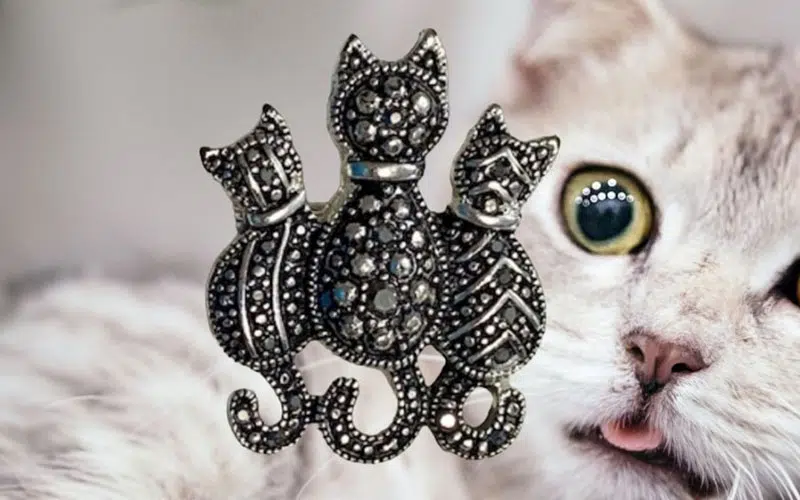
Marcasite is the underdog of the gem world that’s been dazzling humanity since the time of the pharaohs. It is a mineral that has fascinated people for centuries with its metallic luster and intriguing geometric shapes. Often mistaken for pyrite -its shinier but structurally different cousin. Marcasite has a secret charm. It’s mysterious, vintage-chic, and full of old-soul glamour. It is especially popular in vintage and antique jewelry, where it adds timeless and elegant sparkle.
Formation and Properties
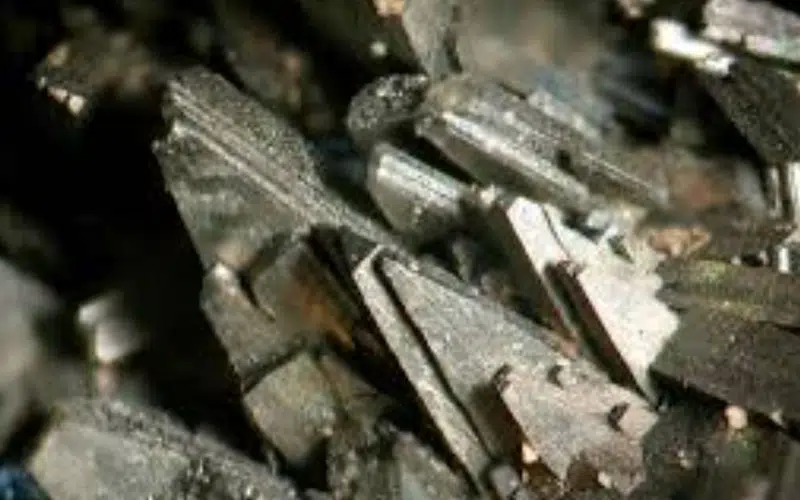
Marcasite is a form of iron sulfide (FeS₂), like pyrite, but it crystallizes in a different structure — the orthorhombic system — making it chemically identical yet structurally distinct. It forms in low-temperature, sedimentary environments and is often found in limestone, shale, or coal deposits, where it grows in quirky little spear-shaped crystals or fans that sparkle with a kind of antique flair. Marcasite is relatively brittle, with a hardness of 6–6.5 on the Mohs scale, and it tends to degrade over time when exposed to moisture, which can cause it to crumble or form sulfuric acid.
Appearance and Colors
Marcasite looks like it belongs in a black-and-white movie: shimmering with a silvery-yellow metallic glow, it sparkles like tiny stars scattered on vintage velvet. You’ll see it in geometric cuts or tiny faceted stones that catch the light like paparazzi camera flashes. No neon colors or rainbows here — just sultry, smoldering glints that whisper “old money elegance.” Unlike some minerals, it does not occur in a wide range of colors.
History, Myths, and Legends
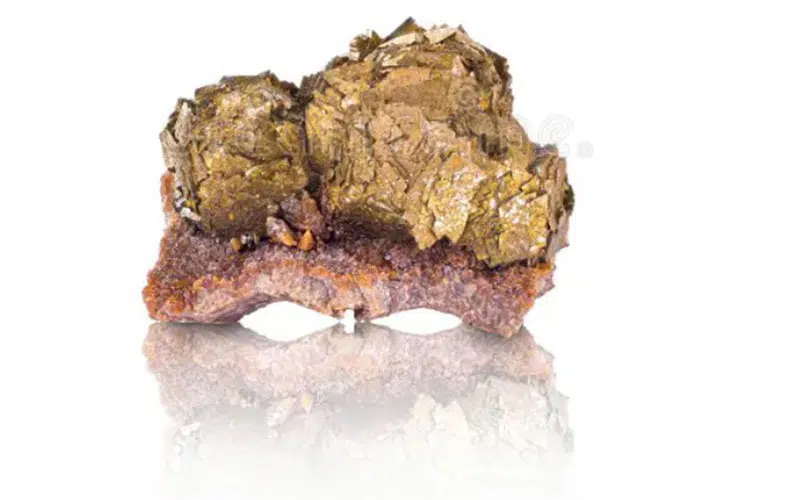
Historically, marcasite has been used since ancient times; the Incas loved it, the Greeks admired it, and by the Victorian era, it became the go-to gem for anyone mourning in style – Queen Victoria would approve. It was all the rage during the Art Deco era, when jazz-age fashionistas wanted something that sparkled under chandelier light without breaking the bank. As for legends? In folklore, it has been associated with protection, clarity of thought, and creative energy.
Countries of Origin
Marcasite’s passport is pretty impressive. Significant sources of marcasite include the United States, Peru, Germany, the Czech Republic, and France. It also occurs in smaller quantities in other countries across Europe and South America. These countries have been mining it for centuries, mostly in cool, damp underground hideaways where this glittery mineral prefers to grow. You’ll also find it often chilling alongside pyrite or in fossil beds
Fun Facts
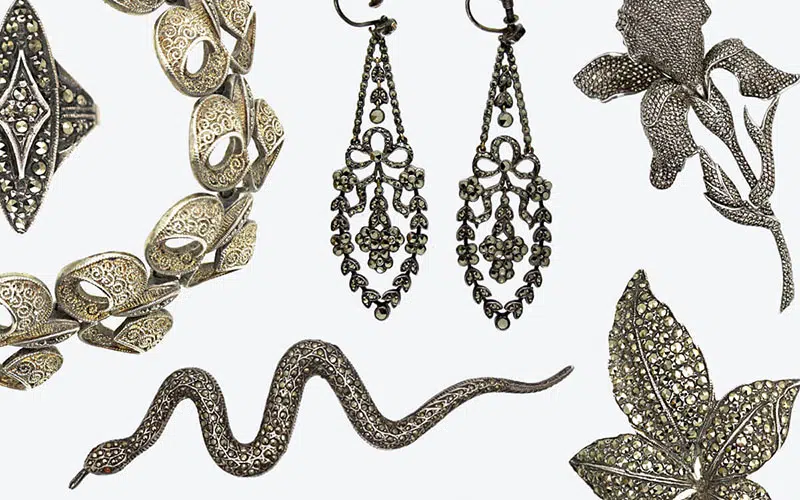
• Marcasite is not typically used in high-end jewelry today due to its fragility, but it remains a favorite in vintage and costume pieces.
• The term “marcasite” in jewelry often refers to faceted pyrite, not true marcasite, because pyrite is more stable and durable.
• Its name comes from the Arabic word “markaschatsa”, meaning fire stone — a reference to its ability to spark when struck against steel.
• Some marcasite crystals can oxidize over time, giving off a sulfur smell and potentially damaging surrounding materials.
• When you see “marcasite” in jewelry, you’re often looking at pyrite dressed up as marcasite (don’t worry, it’s a common industry mix-up).
• It was a favorite during the Roaring ’20s, especially for brooches, watches, and those dramatic drop earrings.
Conclusion
Marcasite’s shimmering metallic beauty, rich history, and vintage charm have kept it relevant through the ages. It’s got a Gothic flair and an Art Deco soul. Marcasite continues to captivate collectors and lovers of antique style. Though delicate, its timeless appeal makes it a distinctive and cherished addition to any jewelry collection.
Marcasite isn’t here to outshine diamonds – it is here to be different. Whether you’re into antique jewelry, curious minerals, or gemstones with attitude, marcasite is that rare treasure that brings mystery, mood, and vintage magic to any collection. For more information about Marcasite and other gemstones, visit the International Gemological Institute’s website at https://www.igi.org.

Hi, this is a comment.
To get started with moderating, editing, and deleting comments, please visit the Comments screen in the dashboard.
Commenter avatars come from Gravatar.