
GemBlog
The Evolution and Impact of Lab-Grown Diamonds: A Comparative Study of the Last Five Years
May
unterparts. However, the perception has dramatically shifted over the years. Today, lab-grown diamonds are recognized for their quality, beauty, and the production process.
The International Gemological Institute (IGI), a trusted authority in gemology, has played a significant role in this evolution. They have consistently provided accurate and unbiased reports on lab-grown diamonds, helping to educate consumers and increase acceptance of these stones.

Technological advancements have also contributed to the evolution of lab-grown diamonds. Five years ago, the production process was more time-consuming and less efficient. Today, thanks to improved technology, lab-grown diamonds can be produced faster and in larger quantities, without compromising on quality.
Technological Advancements in Lab-Grown Diamond Production: Then and Now
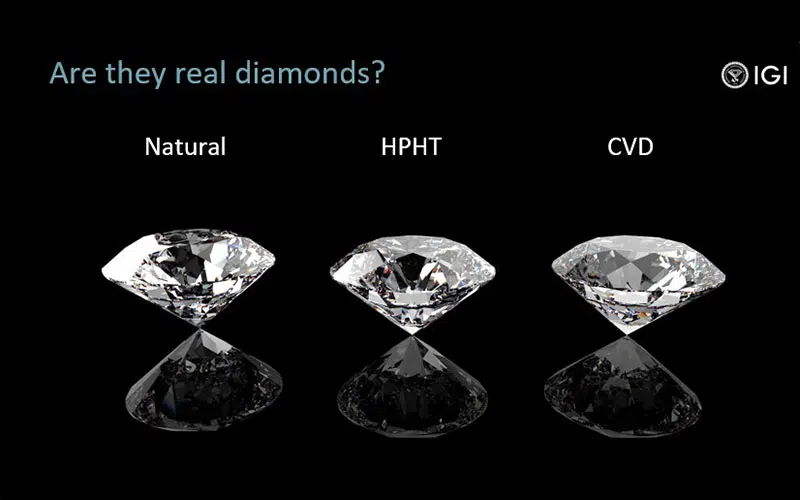
The production of lab-grown diamonds has seen remarkable technological advancements over the past five years. High Pressure High Temperature (HPHT) and Chemical Vapor Deposition (CVD) are the two primary methods used to create these diamonds.
Five years ago, these technologies were still in their infancy. The production process was slower, and the resulting diamonds often had noticeable inclusions and color variations. However, advancements in technology have led to significant improvements in the quality of lab-grown diamonds.

Today, HPHT and CVD technologies can produce lab-grown diamonds that are virtually indistinguishable from natural diamonds. They have the same physical, chemical, and optical properties as their natural counterparts, and they can be cut and polished to the same high standards.
The Rising Popularity and Acceptance of Lab-Grown Diamonds: A 5-Year Retrospective
Over the past five years, lab-grown diamonds have seen a surge in popularity. This is largely due to their production process, which appeals to a growing number of consumers who are concerned about their purchases.
According to a report by the IGI, the market for lab-grown diamonds has grown by an impressive 15-20% annually over the past five years. This growth is expected to continue, as more consumers become aware of the benefits of lab-grown diamonds.
The acceptance of lab-grown diamonds has also increased significantly. Five years ago, many consumers were hesitant to purchase these diamonds due to misconceptions about their quality and value. Today, thanks to educational efforts by organizations like the IGI, consumers are more informed and confident in their decision to purchase lab-grown diamonds.
The Impact of Lab-Grown Diamonds on the Jewelry Industry: A Comparison Between Today and Five Years Ago
The rise of lab-grown diamonds has had a profound impact on the jewelry industry. Five years ago, many jewelers were reluctant to stock these diamonds, fearing they would devalue their natural diamond inventory. However, as consumer demand for lab-grown diamonds has increased, more jewelers are embracing these stones.
Today, many jewelers offer a selection of lab-grown diamonds alongside their natural diamond inventory. This allows consumers to choose between the two based on their personal preferences and values.
The impact of lab-grown diamonds on the jewelry industry extends beyond retail. The production of these diamonds has created new jobs and opportunities in the gemstone industry. It has also led to increased competition and innovation, as companies strive to produce the highest quality lab-grown diamonds.
Fun Facts About Lab-Grown Diamonds
- They Can Be Made in Weeks
While natural diamonds take over a billion years to form deep in the Earth, lab-grown diamonds can be created in as little as 2–6 weeks. - NASA Uses Diamond Material
Lab-created diamond films are used in high-tech applications—including NASA satellites and medical equipment—because of their strength and conductivity. - They Can Be Colorful—on Purpose
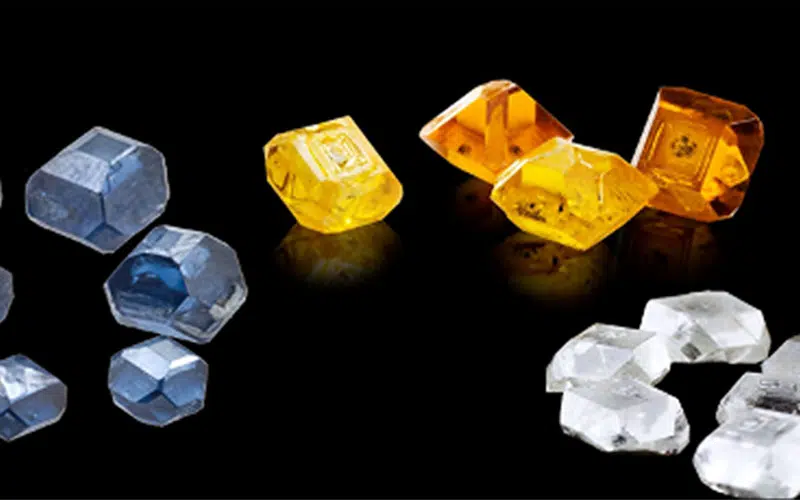
Lab diamonds can be made in stunning fancy colors like blue, pink, yellow, and green—some of which are almost impossible to find in nature. - You Can Grow Your Own Diamond (Sort Of)
Some companies now offer to grow a diamond from carbon in your hair or ashes, turning a personal memory into a sparkling gem. - Some Are Literally Grown with Microwaves
In the CVD process, diamonds are “grown” in a chamber that uses microwave plasma technology to form carbon layers.
In conclusion, the past five years have seen a remarkable evolution in the world of lab-grown diamonds. From technological advancements to increased popularity and acceptance, these diamonds have made a significant impact on the jewelry industry. As we look to the future, it’s clear that lab-grown diamonds will continue to play a vital role in the gemstone world.
For more information about Lab Grown Diamonds and other gemstones, visit the International Gemological Institute’s website at https://www.igi.org.
